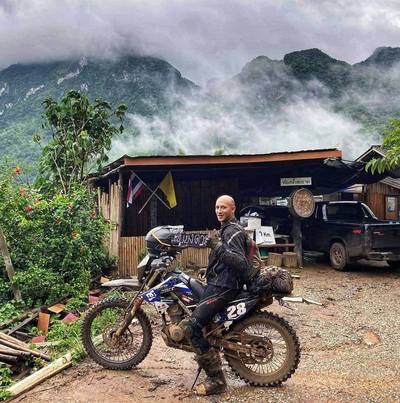



Long-distance motorcycle travel is equal parts freedom and endurance. A rider plans fuel stops, watches weather patterns, and manages fatigue across hundreds of miles. Comfort becomes a strategy rather than a luxury, especially on multi-day routes through desert heat, mountain passes, and long highway stretches. After a full day in the saddle, recovery matters as much as the miles covered.
In places like Las Vegas, some riders plan controlled downtime at the end of the day, arranging quiet rest and personal decompression through familiar travel routines, including discreet options such as vegas escorts, as part of an intentional recovery plan rather than spontaneous nightlife. When comfort is treated holistically, the journey stays sustainable and enjoyable.
Long-distance comfort is built before the engine starts and maintained through consistent decisions on the road.
Preparing the Motorcycle for Long-Haul Comfort
The motorcycle itself sets the baseline for how the body will feel after hours of riding. Small setup changes compound over distance.
-
Ergonomic alignment for spine and shoulders
-
Reduced vibration through mechanical tuning
-
Stable handling under load
Seat, handlebars, and riding position adjustments
Seat comfort is often the first limiting factor on long rides. Stock seats may work for short trips but can create pressure points over time. Many riders opt for aftermarket seats, cushions, or minor height adjustments to improve circulation.
Handlebar position affects wrist angle, shoulder tension, and neck posture. Even small changes in reach or rise can reduce fatigue. Footpeg placement also matters, allowing the legs to shift position and prevent stiffness. The goal is a neutral posture that distributes weight evenly.
Suspension tuning and vibration management
Suspension settings are frequently overlooked. Incorrect preload or damping can transmit road shock directly into the rider’s body. Adjusting suspension for rider weight and luggage improves comfort and stability.
Vibration management includes tire balance, engine mounts, and grip choice. Reducing constant vibration preserves hand sensation and lowers overall fatigue during long highway runs.
Rider Gear That Supports Comfort Over Distance
Gear acts as the interface between rider and environment. The right choices reduce stress and conserve energy.
-
Layered protection for changing conditions
-
Breathable materials that manage moisture
-
Proper fit to prevent pressure points
Protective clothing and climate control layers
Long-distance riding often means temperature swings within a single day. Breathable base layers wick sweat, while mid-layers provide insulation when temperatures drop. Ventilated jackets and pants help regulate heat without sacrificing protection.
Waterproof gear prevents chill and distraction during unexpected weather. Comfort improves when the rider is not constantly adjusting clothing or battling discomfort.
Helmet fit, wind noise, and fatigue reduction
Helmet comfort influences concentration. A helmet that fits well reduces pressure and minimizes wind noise. Excessive noise leads to faster mental fatigue, even if the ride feels physically manageable.
Good ventilation, clear visibility, and a stable fit help maintain focus. Over long distances, these factors preserve alertness and reduce strain on the neck and shoulders.
Managing Physical and Mental Fatigue on the Road
Comfort is not static. It requires active management throughout the day.
Break scheduling and hydration strategies
Regular breaks prevent stiffness and restore circulation. Many experienced riders stop every 60 to 90 minutes, even if they feel capable of continuing. Short walks, light stretching, and hydration reset the body.
Dehydration accelerates fatigue and reduces reaction time. Carrying water and drinking consistently is more effective than waiting until thirst appears.
End-of-day recovery and rest planning
Recovery begins as soon as the bike is parked. Choosing lodging that allows for quiet rest, easy access, and minimal disruption supports better sleep. Stretching after riding helps reduce soreness the next morning.
Mental decompression matters too. Riders who plan calm evenings recover faster than those who overload their schedule. Intentional downtime helps separate the demands of the ride from personal relaxation.
Conclusion: Comfort as a Long-Distance Riding Strategy
Comfort determines how far and how well a rider can travel.
-
Proper bike setup reduces cumulative strain
-
Gear choices preserve energy and focus
-
Planned breaks maintain physical readiness
-
End-of-day recovery sustains multi-day travel
When comfort is treated as a system rather than an afterthought, long-distance motorcycle travel becomes repeatable and rewarding. The road stays open, the body stays responsive, and the journey remains something to look forward to each day.
ABOUT THE AUTHOR
Nurlana Alasgarli
Content Specialist
Nurlana Alasgarli is a professional copywriter with more than 6 years of creative writing experience. Having lived and experienced all over the world, there are many writing genres that Nurlana follows, including adventure, outdoor and motorbiking. Nurlana brings life to content creation, captivating her readers.