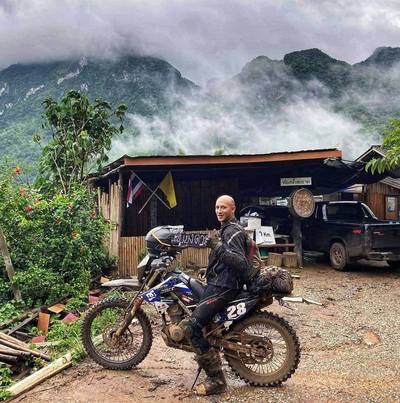



A rider leaves home early, cuts through traffic, parks twice before noon, and rides again after dark. The same pair of jeans has to handle all of it without drawing attention or slowing movement. That is where choices become practical. Riders do not spend time comparing every option. They look at a few details, make a decision, and move on. This pattern shows up in other situations where selection happens quickly and based on first impression.
A person scans options, notices a few clear signals, and decides almost instantly, similar to how choices are made in searches like ladysone, where attention locks onto specific details and the decision follows without delay. The same logic applies here. The jeans either look reliable and feel right, or they are dismissed right away.
Fabric Strength Under Real Use
Durability is not judged in theory. It shows up after weeks of riding, especially in stop-and-go traffic and short daily trips.
Riders pay attention to:
- abrasion resistance in high-contact areas
- reinforced stitching at knees and seams
- fabric weight above 12 oz for daily wear
- resistance to fading after repeated washing
If the material weakens or stretches too quickly, the jeans lose value. Riders notice changes fast.
Protection without Bulk
Protection matters, though it cannot interfere with movement. Heavy gear may feel safe, yet it reduces comfort during long days.
Common expectations:
- knee protection that stays in place
- optional hip inserts without added stiffness
- flexibility when mounting or stopping
- minimal added weight
A balanced setup allows the rider to move freely while still feeling protected.
Fit that Works On and Off the Bike
Jeans must function in two contexts. Riding and walking. A poor fit in either situation creates friction.
Important points:
- slightly tapered cut without restricting movement
- enough room in the thigh area for sitting posture
- stable waistband that does not shift
- consistent fit after multiple washes
If the jeans feel uncomfortable off the bike, they are rarely worn daily.
Ventilation and Temperature Control
City riding involves constant stops. Heat builds quickly, especially in traffic. Night rides introduce a different problem with cooling temperatures.
Riders look for:
- breathable panels or fabric blends
- airflow in key areas without visible openings
- insulation that does not trap heat
- adaptability between day and night conditions
Jeans that trap heat become unusable in warm weather. Those that cool too fast create discomfort at night.
Weather Resistance in Unpredictable City Conditions
City riding rarely happens in stable conditions. A rider may start in dry weather and face light rain or wind within the same day. Jeans that absorb moisture quickly become heavy and uncomfortable, especially during longer rides. This is why water resistance matters even for everyday use. Riders look for materials that repel light rain without turning stiff or losing flexibility. Another detail is drying time. If the fabric holds moisture for hours, it affects comfort during evening rides. Wind resistance also plays a role, particularly at higher speeds where airflow increases. Jeans that balance breathability with basic protection from weather are used more consistently across different conditions.
Discreet Design for Urban Use
Motorbike jeans are often worn in public settings. The design must not stand out as technical gear.
What works best:
- neutral colors without heavy branding
- standard pocket placement
- clean silhouette similar to regular denim
- hidden protective elements
The goal is simple. Look like regular jeans, function like riding gear.
Durability at Stress Points
Most damage appears in specific areas. Riders focus on these zones rather than the entire garment.
Key locations:
- inner thigh from friction against the seat
- knees during repeated movement
- lower leg from contact with the bike
- seams under tension
Reinforcement in these areas extends the lifespan significantly.
Ease of Maintenance
Daily gear must be easy to maintain. Complex care routines reduce usage.
Riders prefer:
- machine-washable materials
- minimal shrinkage after washing
- no special treatment required
- consistent texture over time
If maintenance becomes complicated, the jeans are used less often.
Conclusion
Durable motorbike jeans are chosen through quick, practical checks rather than long comparison. Riders focus on fabric strength, fit, protection, and comfort across different conditions. The decision is shaped by daily use, not by marketing claims. When the jeans hold up under repeated riding, adapt to changing temperatures, and remain comfortable off the bike, they become part of the routine. When they fail in any of these areas, they are replaced without hesitation.
ABOUT THE AUTHOR
Fred Felton
Content Creator / Editor
Fred Felton is a copywriter, editor and social media specialist based in Durban, South Africa. He has over 20 years of experience in creating high end content. He has worked with some of the biggest brands in the world. Currently Fred specialises in the motorbiking adventure space, focussing on all types of biking both on and offroad. He is also a keynote speaker and has presented talks and workshops in South Africa.